
Probiotics, prebiotics and ferments
Dr. med. Heinz Lüscher
The intestinal microbiome (gut flora) has a great influence on our health. A healthy diet and lifestyle can support the beneficial microorganisms. The more balanced the microbiome is, the lower the risk for chronic, but also acute diseases. If the intestinal flora is upset, e.g. after antibiotic therapy, it is important to support the reconstruction of the intestinal microbiome, probiotics, prebiotics and ferments serve this purpose.
Definition microbiome
The microbiome is the totality of all microorganisms (bacteria, archaea, viruses, fungi and protozoa) that colonize a macroorganism (human, animal, plant). Among other things, microbiomes can influence the immune system, metabolism and hormonal system of their host.
Definition according to DocCheckFlexicon
Probiotics, prebiotics and ferments in the video
Learn more about probiotics, prebiotics and the vital substances it contains in the video with Dr. Heinz Lüscher.
The human microbiome
The microbiota mainly colonize the intestine, as well as the skin (intestinal flora, skin flora), but they also occur in the oral and nasal cavities, up to the lungs and in the urogenital tract and even in the mammary glands of nursing mothers. They play a major role wherever contact with the “outside world” takes place and are part of the barrier to pathogens (e.g. intestinal barrier or skin barrier).
Gut microbiome
Most of the microorganisms of the microbiome are located in the gastrointestinal tract, especially in the colon. The composition of the human gut microbiome is unique to each person and changes throughout a lifetime, depending on life circumstances and lifestyle. Bacteria make up the majority.
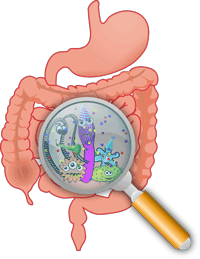
A healthy intestine is home to up to 100 trillion bacteria and it is believed that there are around 1000 different species of bacteria, probably many more. We live in symbiotic community with microorganisms: they colonize our intestines, break down food, live off it and at the same time make it digestible for us. The bacteria not only produce certain vitamins for us (vitamin K and B vitamins, e.g. vitamin B12), but also digestive enzymes and hormones. If the gut microbiome is disturbed, we may experience deficiencies of these substances. Meanwhile, it is known that the intestinal flora in this way even has an influence on our psyche and mental illness.
Sensitive ecosystem
The gut microbiome is a delicate ecosystem that can easily be upset from its natural balance by external influences. Diet and lifestyle have a major impact on a stable gut microbiome. An optimal diet that promotes a healthy balance of gut bacteria should be balanced and contain many pro- and prebiotic foods. Risk factors for gut imbalance, in addition to poor diet and stress, can include medications, especially antibiotics. An antibiotic does not distinguish between “good and bad” bacteria! But also cortisone, gastric acid blockers or non-steroidal anti-inflammatory drugs can disturb the intestinal flora. Furthermore, environmental toxins, hormonal influences and age can have a negative effect on the sensitive system. Symptoms of disturbed intestinal flora include diarrhea, irregular bowel movements, abdominal pain, abdominal tension or abdominal swelling.
The microorganisms in our intestines have an enormous influence on our health. There is now hardly a chronic disease that one would not associate with a diseased intestinal flora. Even psychological complaints develop particularly well when the intestinal microbiome is disturbed.
The gut microbiome and the immune system
There is constant interaction between the intestinal flora and the immune system. The intestine is something like the central training camp of our immune system. 70% of all immune cells are located in the intestine and almost 80% of all defense reactions take place here. The good intestinal bacteria “inform” the immune cells in the intestine about intruders, for example, so that the immune system can become active immediately. The microbiome influences both the innate and the acquired immune system and plays a crucial role in the body’s own defenses.
If the intestinal flora is out of balance, it is therefore important to rebuild it or to support the body in doing so. To do this, you can take useful bacteria (probiotics), their food (prebiotics) and additional ferments.
Probiotics
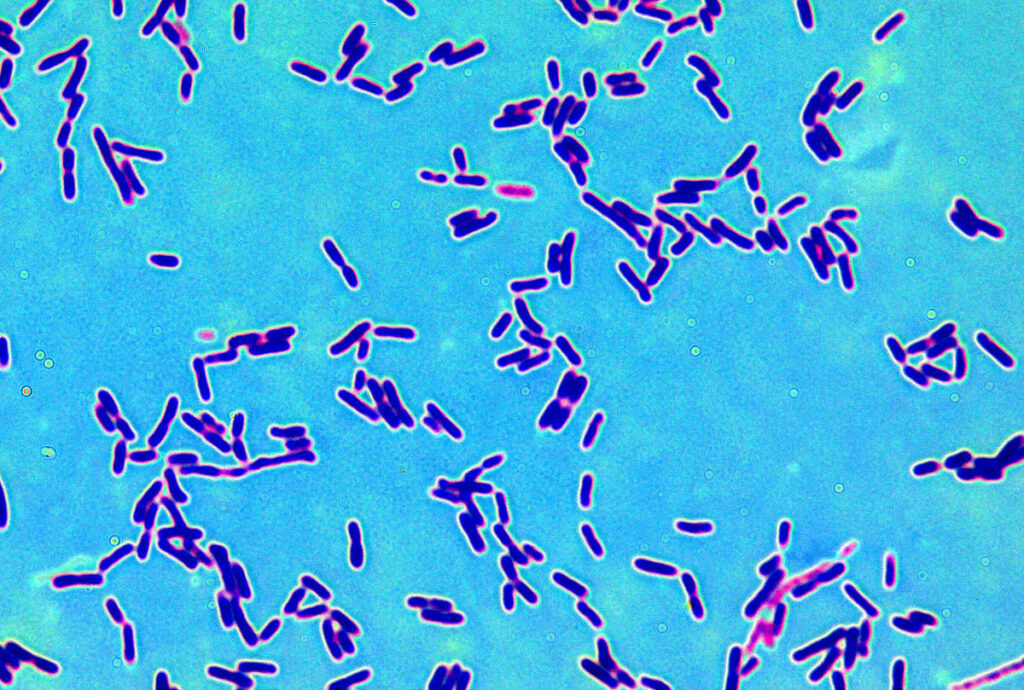
Probiotics are living microorganisms that multiply in the intestine after ingestion and are intended to colonize it. These are mainly bacteria, fungi play a subordinate role. The word probiotics comes from the Greek and is composed of “Pro” = “for” and “Bios” = “life”.
Probiotics help regenerate an unbalanced intestinal flora and keep it healthy. They displace, neutralize and damage pathogenic microorganisms in the intestine and further stimulate the immune system. This results in an interesting effect. There is not unlimited space in the intestine. If the good bacteria in the intestine are missing, the bad, pathogenic germs can spread unhindered. If, on the other hand, the good bacteria are strengthened, specifically colonized with probiotics and “fed” with prebiotics, they can displace the undesirable microorganisms and take their place. It is even suspected that probiotics form certain substances with which they specifically combat harmful bacteria.
Known probiotics are for example lactobacilli, bifidobacteria, enterococci and yeast fungi. It is important to know that probiotics may often be advertised merely as lactic acid bacterial cultures. While this is not wrong, it undercuts an essential aspect of their health effect: probiotics have a major impact on intestinal health and this, in turn, on the whole body.
Prebiotics
Prebiotics are non-digestible food components for humans that are broken down by microorganisms in the large intestine, where they selectively promote the growth or activity of certain desirable bacteria. Simply put, prebiotics are the “food” of probiotics and beneficial bacteria in the gut. When they are “fed” prebiotics, they multiply more rapidly and spread more quickly throughout the intestine. At the same time, prebiotics act like dietary fiber: they support digestion and counteract constipation.
Ferments
Again and again, one can read about multi-stage fermented plant mixtures that are taken together with probiotics or alone for intestinal cleansing. Such ferments contain numerous micronutrients such as antioxidants, enzymes, vitamins, minerals, trace elements, bioflavonoids and secondary substances.
Fermentation is an enzymatic transformation of food. With the help of microorganisms, a fermentation process is triggered in the food. The multi-stage fermentation breaks down the herbs and plants into their basic components. Thus, the ingredients are extracted, concentrated and broken down into small molecules that can be easily absorbed by the body. Further, during fermentation, the herbal and plant mixture is enriched with enzymes, which in turn can be used by the body.
Ferments, in addition to microorganisms, provide nutrients and enzymes that improve the digestive process and relieve the body’s own digestion.
